A new insight into the underwater life of the Hector’s Dolphin.
We here at Black Cat, especially the team out in Akaroa, are extremely lucky to live in a place recently described by DOC as the Hector’s “stronghold” and “one of the few places globally where dolphin encounters in a sheltered harbour remain a virtual certainty.” We get to see these wonderful dolphins multiple times a day, almost every day of the year.
For this reason, we may feel like we know a lot about our little friends. However, new research led by Nelson’s Cawthron Institute has brought their underwater antics into the light and shown us that we might have been underestimating these already amazing creatures.
How and where it was conducted.
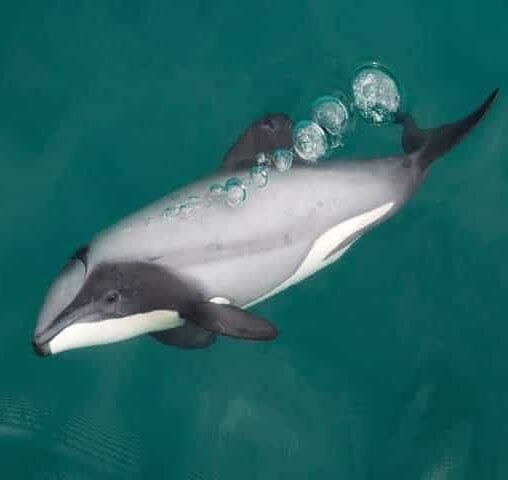
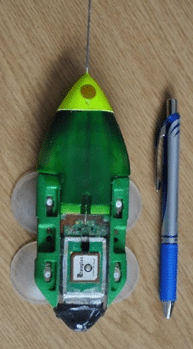
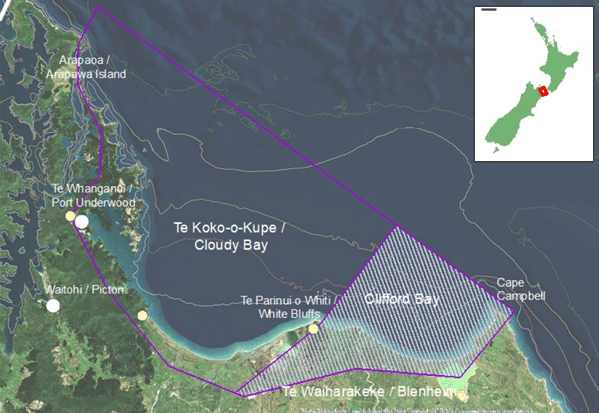
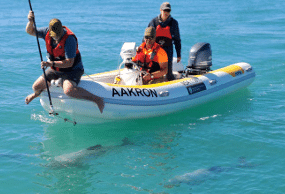
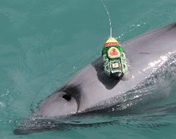
This study took place in Te Koko-o-Kupe / Cloudy Bay near Waitohi / Picton. The team was comprised of the Cawthron Institute, Aarhus University (Denmark), the University of Auckland, and DOC. They went out on a small boat and attached tracking tags to dolphins that were happily interacting with their vessel. These tags are about the length of a pen and are attached via a suction cup.
The tags were designed to come off naturally as the dolphins swam around and featured a backup timed-release mechanism activated after 24 hours. These tags then float to the surface to be collected by the team. A big part of this trial was to check that the dolphins had no adverse reactions or effects from the tags. The dolphins mostly did not seem to mind having the tags attached and would often come back to continue swimming around the boat for long periods afterward.
Tags size, area of study and attachment method -Photo’s from Fisheries NZ-
Tags size, area of study and attachment method
-Photo’s from Fisheries NZ-
What did they find out?
The information collected from this study shows the dolphins range a lot further and deeper in a short time than was previously believed. The deepest dive recorded was a staggering 122 meters! To put that into perspective, that is the same distance from the water level to the Sugarloaf radio tower (if you are from Christchurch), or the diving length of a full-sized soccer pitch. This is amazing considering the Hector’s small size of only about 1.4 meters.
The study was mainly conducted to further understand and protect the Hector’s dolphin. The tags recorded a vast amount of data, including the clicks and buzzes used for echolocation, their orientation, depth, and GPS location. This information was processed to provide insight into their underwater habits and how those habits affect their likelihood of becoming bycatch in set nets and trawling vessels.
Catching fish upside down?
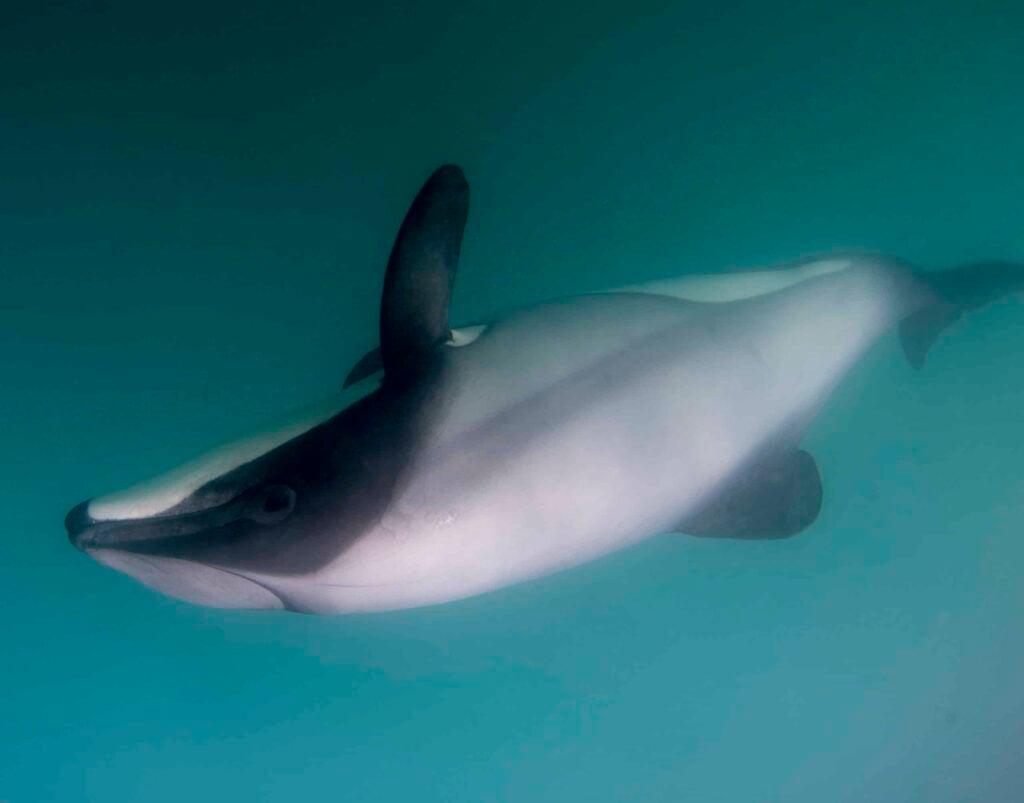
One of the more unexpected discoveries was that Hector’s dolphins spend a lot of time swimming upside down near the seafloor! You can see animations made from the findings of this study here (funded by Live Ocean).
While the Hector’s dolphin is not known for being extremely acrobatic above the water, it seems that beneath the surface is a different story. They spend a lot of time performing barrel rolls, corkscrews, and sudden changes of direction, alongside their upside-down hunting which is thought to allow them to more easily direct their detect seafloor-dwelling fish, such as sole.
Results of the study
While all of this is fascinating, the main point of the study was to help further protect the Hector’s dolphin by learning more about their behaviour. The study has shown that they travel much faster and further than expected, often moving outside of the protected areas where set net and trawling bans are in place.
The data also shows that they use their echolocation less than originally thought. When they are not using this “sonar,” nets and fishing gear are basically invisible to them. Combine this with their acrobatic twists and turns, and it becomes clear how easily they can end up tangled in these nets.
So, what happens now?
All this new information highlights the need to reassess our fishing rules. We may never know exactly how many of the world’s smallest and rarest dolphins die in fishing nets every year, as many reports are likely underestimated or rely on self-reporting.
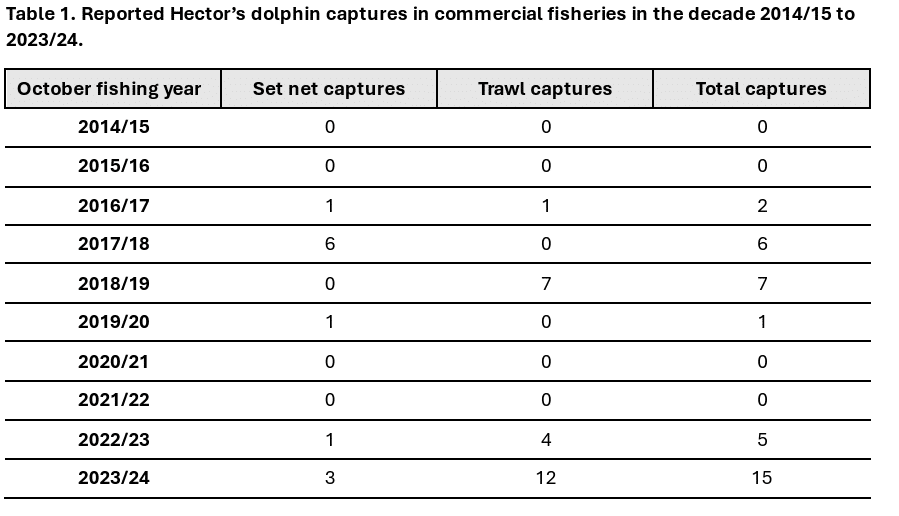
This table is the Bycatch report from Fisheries NZ
In 2023/24, following the rollout of onboard cameras on inshore trawl and set net vessels in certain high-risk areas, the reported numbers jumped up dramatically. This suggests that most Hector’s deaths as bycatch were previously going unreported—and current numbers are likely still lower than the real total. With the latest information from this study, we can see that the bans currently in place still leave these dolphins very vulnerable to this terrible fate.
Working Together for Safer Waters
Luckily, there are wonderful people and organisations working tirelessly to protect the Hectors. This study alone involved a large many such organisations including Cawthron Institute, Fisheries New Zealand, DOC, Live Ocean Charitable Trust, and the University of Auckland. Working together with this new information they produce new recommendations for set-net and trawling restrictions and if accepted this will go a long way to helping the Hectors survive and hopefully thrive. Please check out the links below for further information on this study.

Hidden World of Hector’s & Māui Dolphins with animations
PDF – Full Study overview

Write up about the study